September, 2013

World Heritage Site
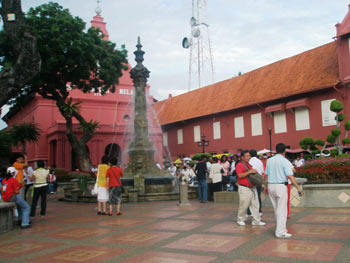
Malacca was chosen as a World Heritage Site by UNESCO in 2009. That makes Malacca the closest World Heritage Site to Singapore.
George Town in Penang was also added to the list. Malacca and George Town are historic cities of the Straits of Malacca. They have developed over 500 years of trading and cultural exchanges between East and West. The influences of Asia and Europe have given the towns a multicultural heritage that is both tangible and intangible.
With its government buildings, churches, squares and fortifications, Malacca demonstrates the early stages of this history originating in the 15th-century Malay sultanate and the Portuguese and Dutch periods beginning in the early 16th century. Featuring residential and commercial buildings, George Town represents the British era from the end of the 18th century.
"The two towns constitute a unique architectural and cultural townscape without parallel anywhere in East and Southeast Asia," UNESCO says.
While these towns are recognised for their cultural value, the World Heritage list also includes natural treasures. Malaysia already had two other places on the World Heritage list’s Natural Heritage category. They are Gunung Mulu National Park and Kinabalu Park, both added in 2000.
Singapore's other neighbour, Indonesia, has seven sites on the list, including the rainforests of Sumatra and the temple of Borobudur.
For the full list, visit whc.unesco.org/en/list.
This article first appeared in August 2009. Republished here in September 2013.
George Town in Penang was also added to the list. Malacca and George Town are historic cities of the Straits of Malacca. They have developed over 500 years of trading and cultural exchanges between East and West. The influences of Asia and Europe have given the towns a multicultural heritage that is both tangible and intangible.
With its government buildings, churches, squares and fortifications, Malacca demonstrates the early stages of this history originating in the 15th-century Malay sultanate and the Portuguese and Dutch periods beginning in the early 16th century. Featuring residential and commercial buildings, George Town represents the British era from the end of the 18th century.
"The two towns constitute a unique architectural and cultural townscape without parallel anywhere in East and Southeast Asia," UNESCO says.
While these towns are recognised for their cultural value, the World Heritage list also includes natural treasures. Malaysia already had two other places on the World Heritage list’s Natural Heritage category. They are Gunung Mulu National Park and Kinabalu Park, both added in 2000.
Singapore's other neighbour, Indonesia, has seven sites on the list, including the rainforests of Sumatra and the temple of Borobudur.
For the full list, visit whc.unesco.org/en/list.
This article first appeared in August 2009. Republished here in September 2013.

Heritage Buildings:
Protecting Singapore's past
Protecting Singapore's past
